 Eduardo de Souza
RoadReady
Branding & Product Design Lead · 1 Designer, 1 Engineer, 2 Stakeholders · 3 Months · 2024
Context
The Irish learner driver market was fragmented and outdated — still relying on word of mouth and phone calls, with no transparent pricing, no verified reviews, and no easy way for students to find and book instructors. The gap was obvious. Nobody had built a modern, trust-first platform for it.
Opportunity
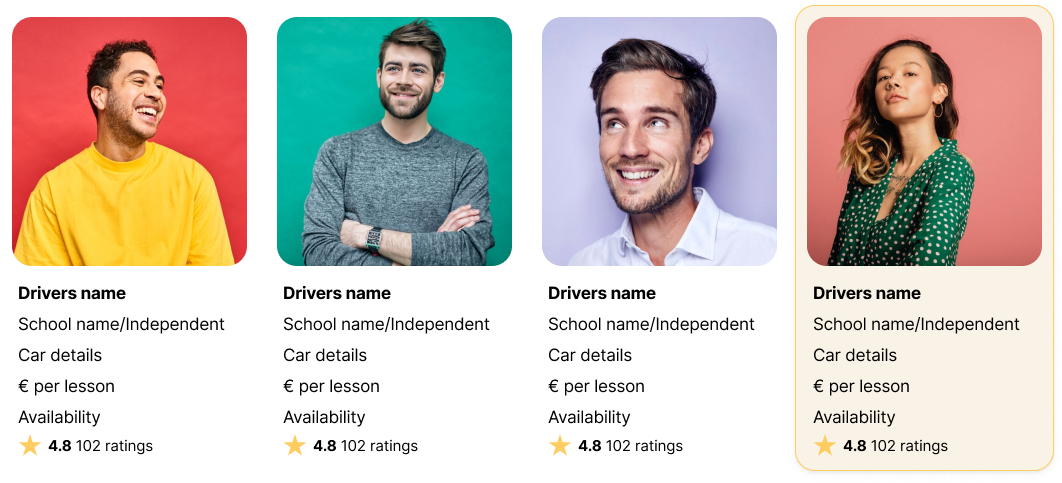
The mission was to build a peer-to-peer marketplace where instructors and students manage everything directly — no institutional middleman, no friction. A platform that gave both sides full ownership of their relationship.
Research
To design a healthy marketplace, both sides had to work. We ran discovery interviews and mapped behavioural patterns for learners and instructors before a single wireframe was drawn.
The Learner
Digital native. Wants a mobile-first experience with transparent pricing and verified reviews. Trust is the deciding factor.
The Instructor
Independent solopreneur. Needs a lightweight tool to manage schedule, payments, and students — without administrative overhead.
Brand Identity
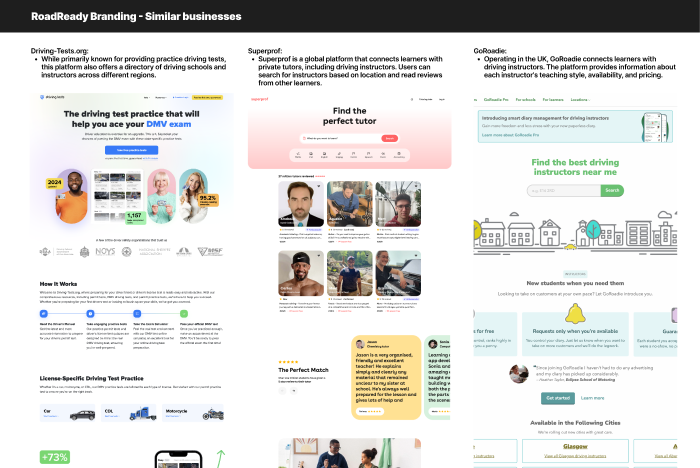
The initial logo concept — a Roundabout R — had energy and relevance but was too close to Revolut's redesigned mark. A critical risk for a product built on trust. I went back to research.
The breakthrough came through abstraction: studying European road infrastructure and SatNav interfaces, then translating the geometric language of road mesh grids into a modular brand system. Clean, distinctive, and entirely ownable.
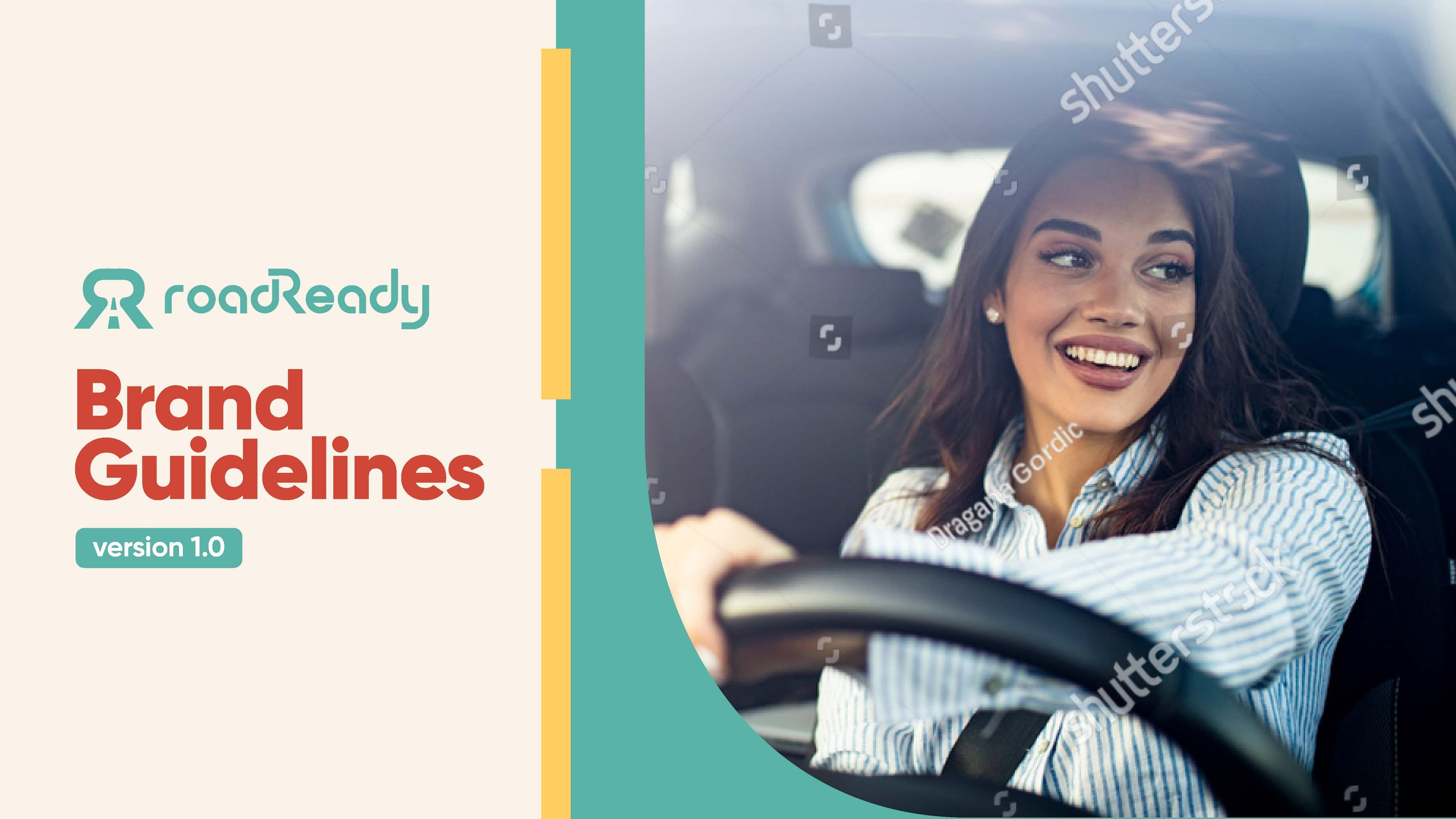
The full brand guidelines ran to 17 pages — logo, typography, colour, patterns, and application examples. Everything the engineer needed to build with confidence from day one.
Information Architecture
I developed the site map and low-fidelity wireframes in parallel with the branding work — defining the boundary between public and member-only content early to prevent scope creep.
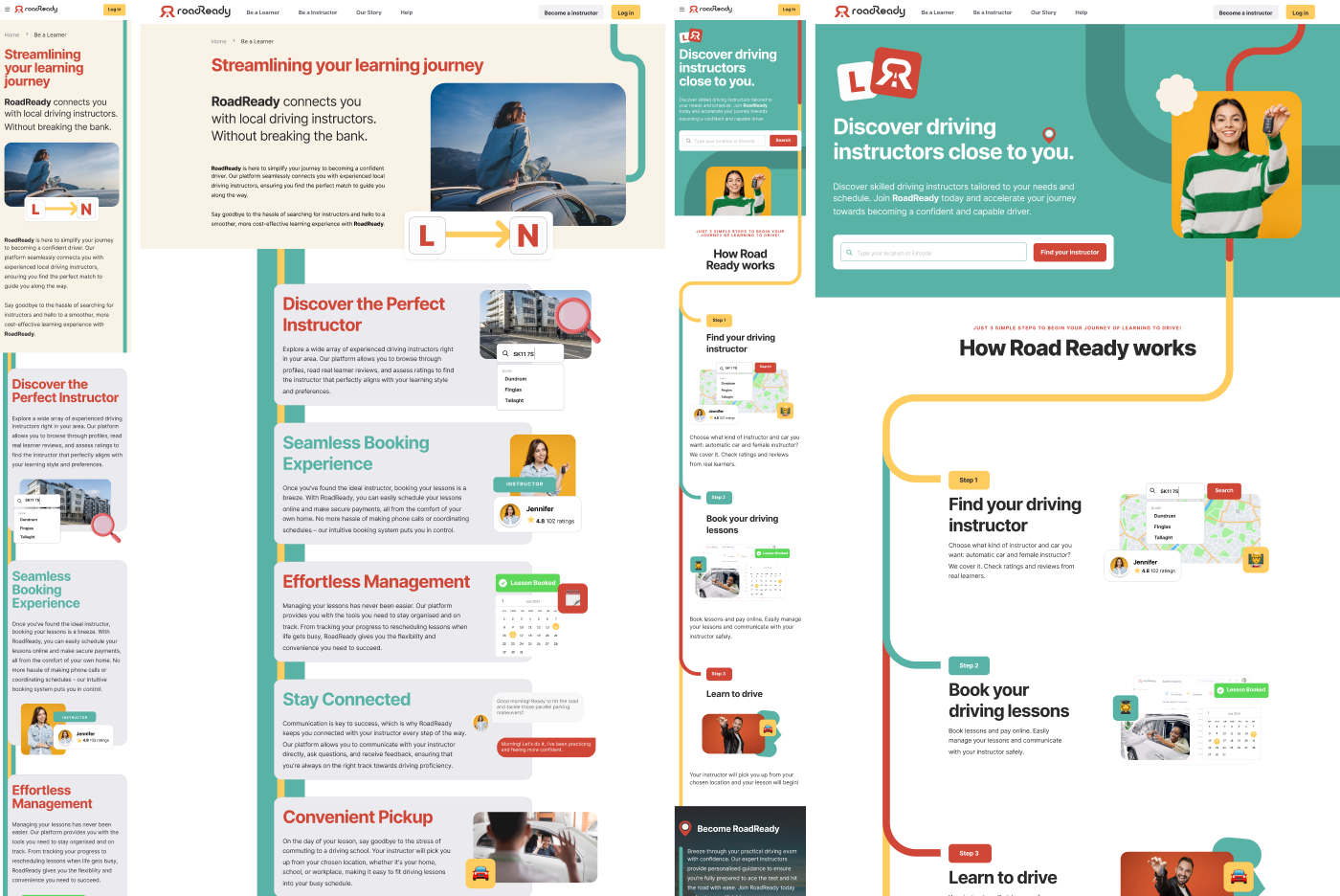
The core flow was Search-to-Book. A location-based suggestion dropdown let students find instructors without friction. On a three-month timeline, we skipped formal usability testing in favour of heuristic analysis and proven mental models — borrowing Calendly-style booking patterns that users already understood.
Design System and Handoff
I built a lean Figma component library to directly support the engineer's Vue.js build. Handoff fidelity was the priority — every component had a clear state, documented behaviour, and a named token.
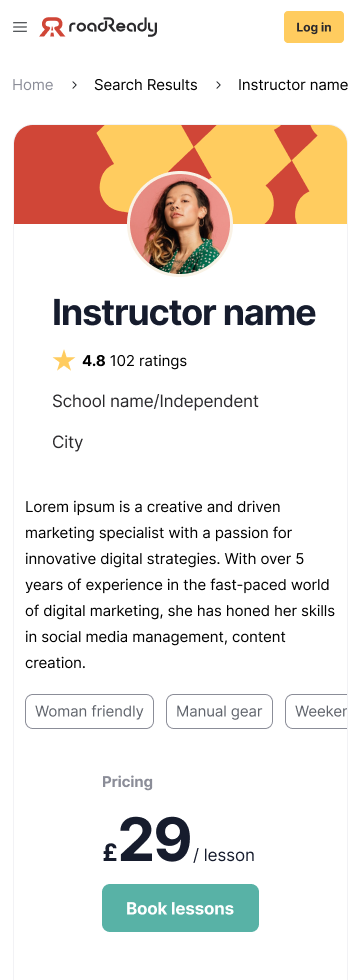
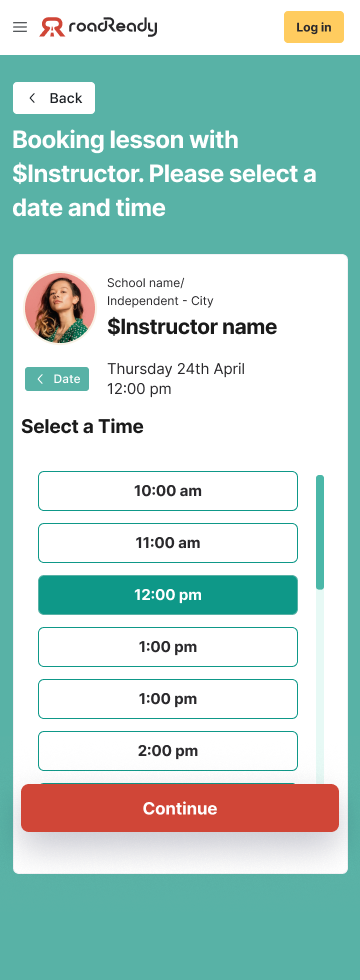
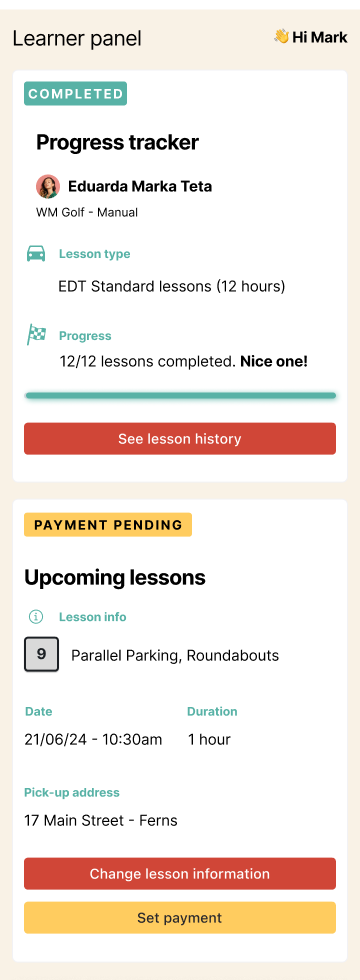
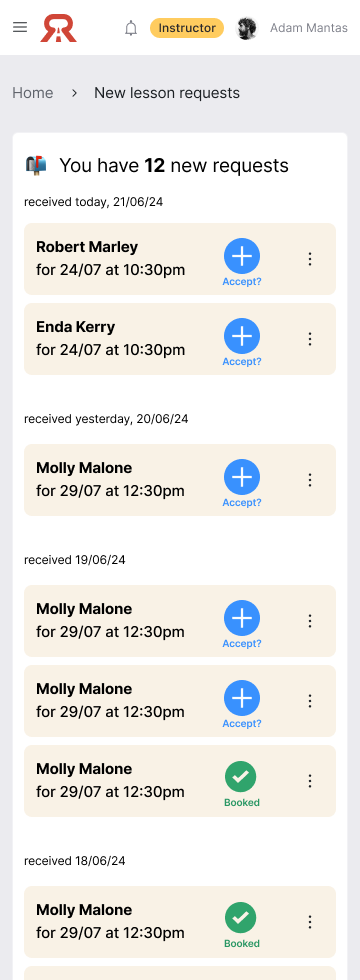
Happy path flows were annotated in high-fidelity, covering primary actions and key edge cases. Weekly stakeholder sessions kept the build aligned with the original vision — the launch was true to the design spec.
Outcome
— Zero-to-one platform launched in 3 months.
— Live and operational at getmeroadready.ie — connecting learner drivers with certified instructors across Ireland.
— Full brand system: 17-page guidelines, logo, typography, colour, and component library.
— Handoff fidelity: Figma components mapped 1:1 to Vue.js build with no design review cycles required post-launch.
RoadReady was a reminder that constraints produce clarity. Three months, one engineer, two stakeholders — and a product that launched on time, on spec, and is still running. Sometimes the best design process is a focused one.